Photo Source: David Gibson
Climate change and pollution is having a detrimental effect on the populations at the U.S.-Mexico border. A polluted Tijuana river that transports trash in and out of both countries has affected Mexico and the U.S. The increase in rainfall, a byproduct of climate change, makes the river overflow and inundate the border communities.
It also creates sediments that become trash deposits, which then turn into incubators for viruses like E. coli and Zika. The issue affects both sides of the border and guaranteeing clean water access on both sides, requires binational cooperation.
Past collaboration between both countries has mitigated water issues at the Tijuana River Valley. But now, with lack of funds and no government agencies wanting to take on the task of solving the clean water crisis, lives on both sides of the border are at risk.
The story takes you into the Tijuana River Valley on both sides of the border and shows you the impact of pollution on local communities. David Gibson, executive officer at San Diego Regional Water Quality Control Board, guides you on the San Diego side of the Tijuana River Valley. Gibson has worked for the water board for over 19 years. His comprehensive knowledge of the binational water issues will give you an inside look at the current pollution problems at two locations in California.
The first stop Gibson takes is the Effie May trail, where you will see trash and raw sewage right at your feet. Look closely into the trees, where you will also see trash. That is because when it rains, that’s how high the water can reach. Also, what you can’t see is the three to five vertical drop below you, where there are layers of trash and raw sewage.
Tijuana River Valley
Click on this 360 video to get an inside look at the Tijuana River Valley. Explore the pollution at the Effie May Trail, Goat Canyon and how a Tijuana neighborhood is turning trash into homes.
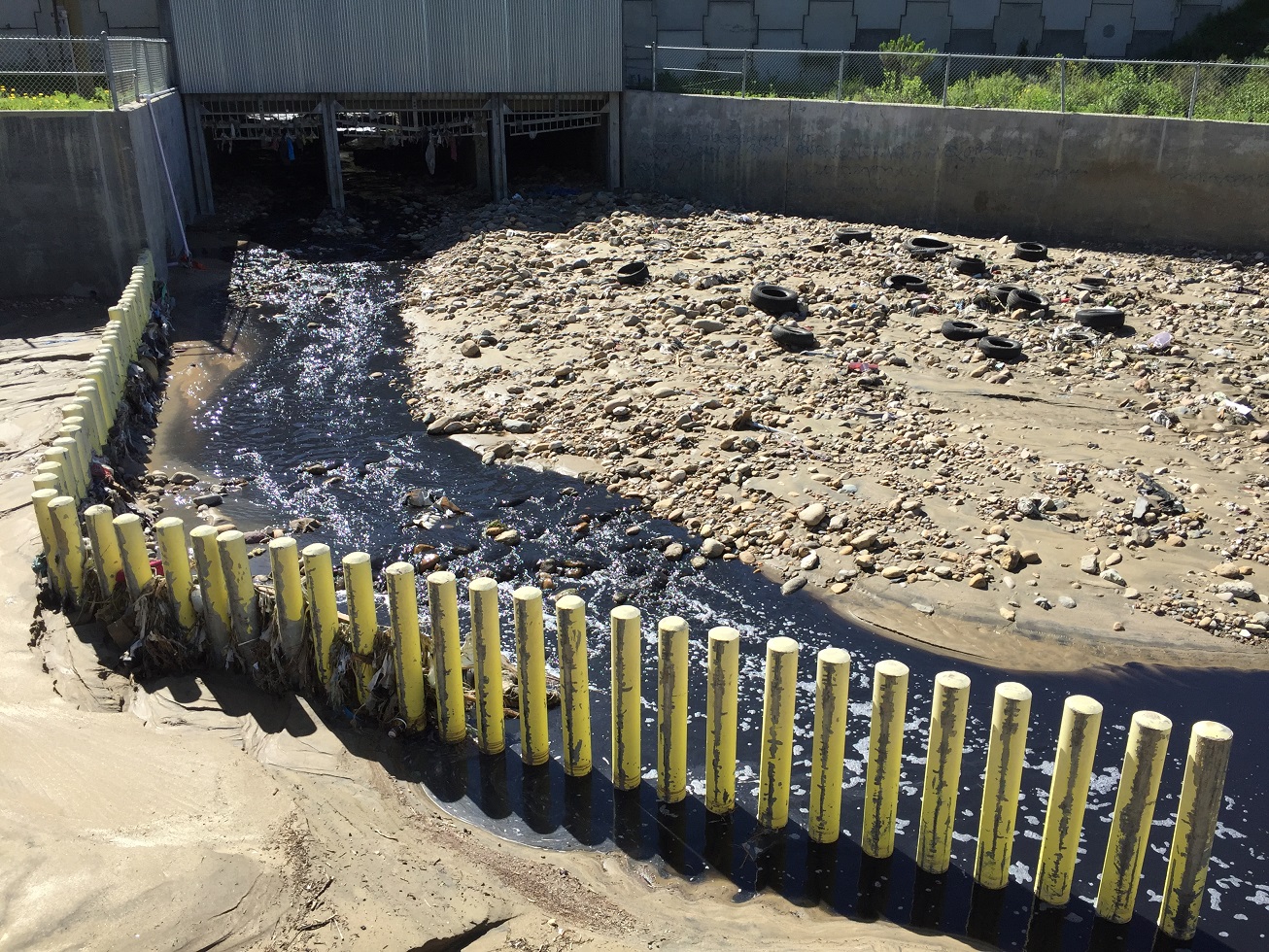
At the next stop, Goat Canyon, Gibson shows you what containment looks like in one area of the Tijuana River Valley. Thousands of tires and plastic bottles are collected in this area, but still, with trash being collected, there are issues. It costs approximately one million dollars a year to keep this area running.
The trash in Goat Canyon may look harmless, but there are organism living on the plastic that dry and become airborne, which have been affecting the local community. Plastics like these are harmful to humans and animals and create air quality issues because the film of chemicals lying on them. Gibson says every liter of water has millions of viruses living in it and have been making the local community sick.
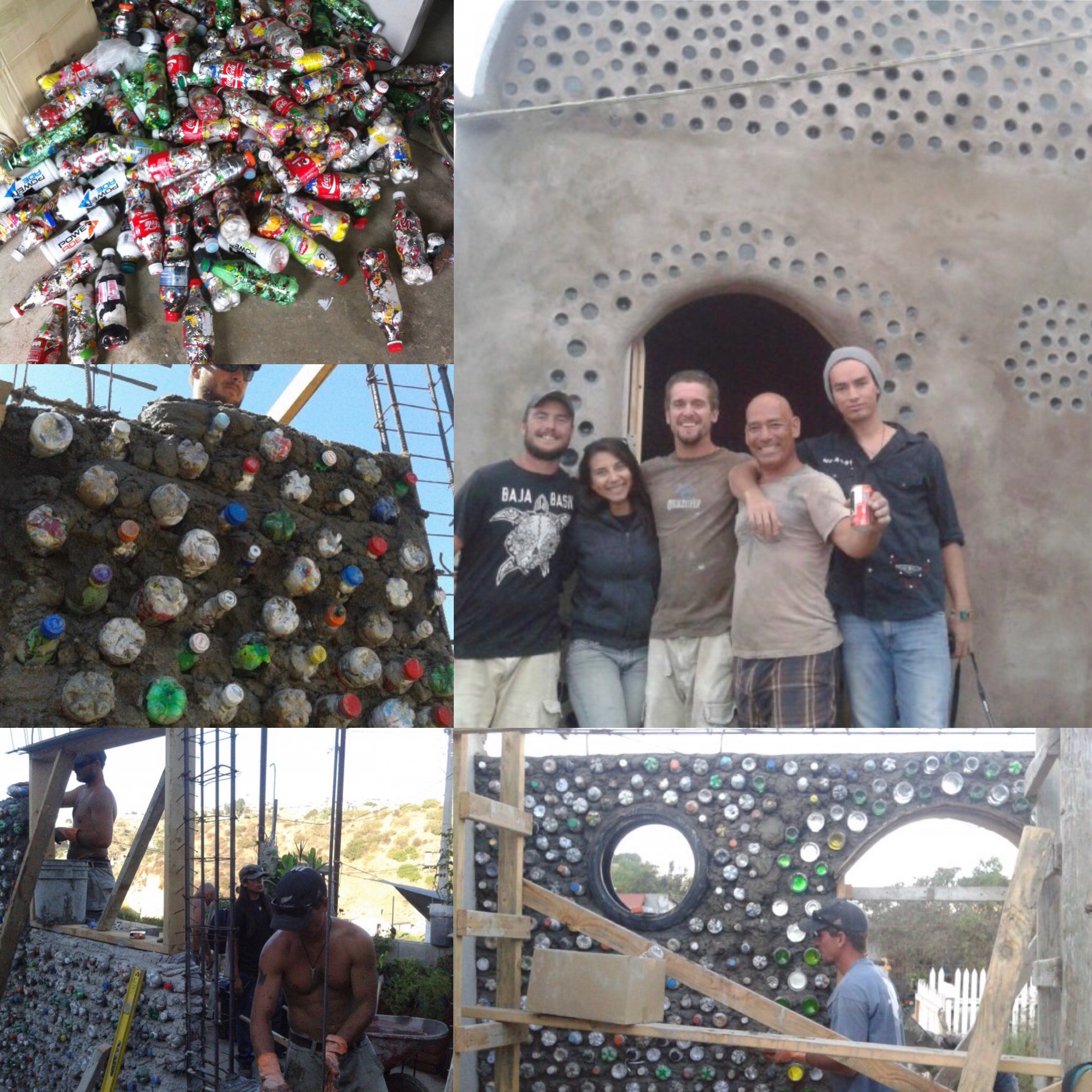
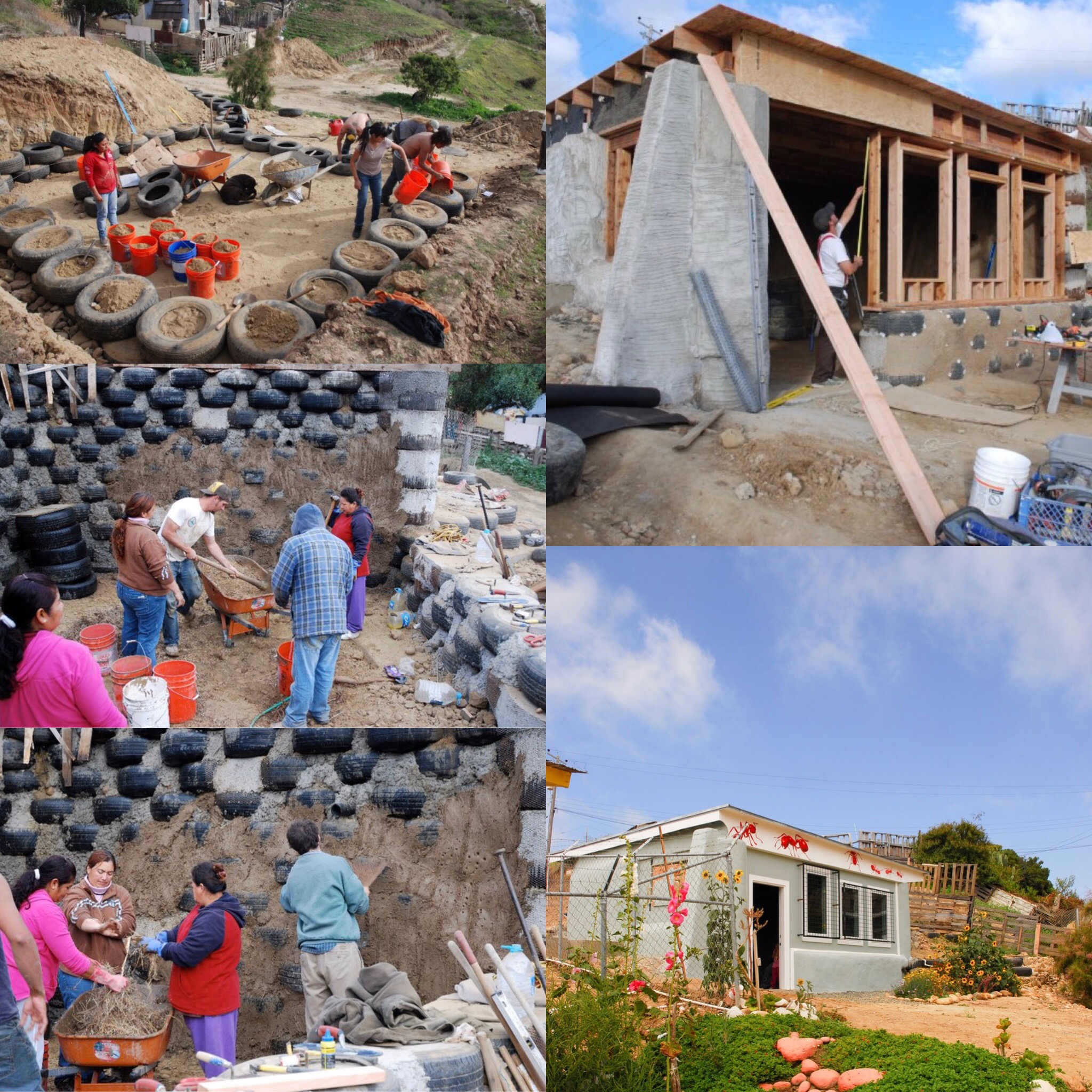
Photos By: 4 Walls International

You then cross the border to Los Laureles in Tijuana where 4 Walls, a nonprofit organization that focuses on building sustainable housing for developing countries, has literally turned trash into homes. Steven Wright, executive director of 4 Walls, shows two buildings, one made from tires and another from plastic bottles.
Many of the tires in the Tijuana River Valley are recycled tires from the United States that are packaged and sold to Tijuana says Gibson. With no effective way to collect and discard used tires, most of them end up in the river valley.
Once these tires are in the river they become the perfect breading ground for mosquitos, which carry diseases like Zika and Dengue.
There are simple solutions to taking care of the failing infrastructure of the Tijuana River Valley. There must be an effective system to collect, treat and dispose of the waste water. Not taking care of these issues is a public health risk on both sides of the border.
AR Portals
Step into augmented reality portals via Snapchat to stand at the polluted Tijuana River Valley, the Goat Canyon trash boom, in front of the Oficina de las Hormiguitas and inside the Casa de Botellas.